In the fast-paced world of exhibitions, the success of your booth hinges on meticulous planning and strategic execution Touch Concept. This article serves as a comprehensive guide, offering step-by-step instructions to help you craft a captivating exhibition booth that resonates with your target audience and achieves your objectives.
From setting clear goals to implementing an effective marketing strategy, each section is designed to empower you with the knowledge and tools necessary to create a memorable and impactful presence at your next event.

Setting Clear Objectives
When planning a successful exhibition booth, it is essential to begin by setting clear objectives that align with your overall goals for the event. Setting measurable goals is crucial to ensure that your booth is effective in achieving the desired outcomes. By defining specific targets https://www.touchconcept.com.my/, such as generating a certain number of leads or increasing brand awareness by a certain percentage, you provide a clear direction for your booth staff and resources.
Tracking progress towards these goals is equally important. Utilizing tools like lead capture software, surveys, or social media analytics can help you monitor the effectiveness of your booth in real-time. Regularly reviewing and analyzing this data enables you to make informed decisions and adjustments to optimize your booth’s performance throughout the event.
Understanding Your Target Audience
To create a successful exhibition booth, it is crucial to thoroughly understand your target audience before designing your booth layout and engagement strategies. This understanding begins with demographic analysis and audience segmentation. By conducting market research and analyzing consumer behavior, you can gain insights into who your audience is, what motivates them, and how they make purchasing decisions.
Demographic analysis involves looking at factors such as age, gender, income level, education, and location to create audience segments based on similarities and differences. Audience segmentation allows you to tailor your booth design, messaging, and activities to resonate with specific groups within your target audience.
Consumer behavior research delves into why people buy, what influences their buying decisions, and how they interact with brands. By understanding these aspects, you can align your exhibition booth with the preferences and needs of your target audience, increasing the chances of attracting and engaging them effectively.
Designing an Engaging Layout
Developing a carefully crafted layout for your exhibition booth is a fundamental aspect of creating an impactful presence at trade shows and events. When designing your booth layout, consider incorporating interactive experiences to engage visitors and make your booth memorable. Interactive elements such as touchscreens, virtual reality experiences, or product demonstrations can draw attendees in and encourage them to spend more time at your booth.
Another crucial aspect to consider when designing your booth layout is the traffic flow. Ensure that your layout allows for easy navigation and avoids creating bottlenecks that could deter visitors. A well-thought-out layout will guide attendees through your booth naturally, allowing them to explore different areas and engage with your products or services seamlessly.
Selecting the Right Graphics and Branding
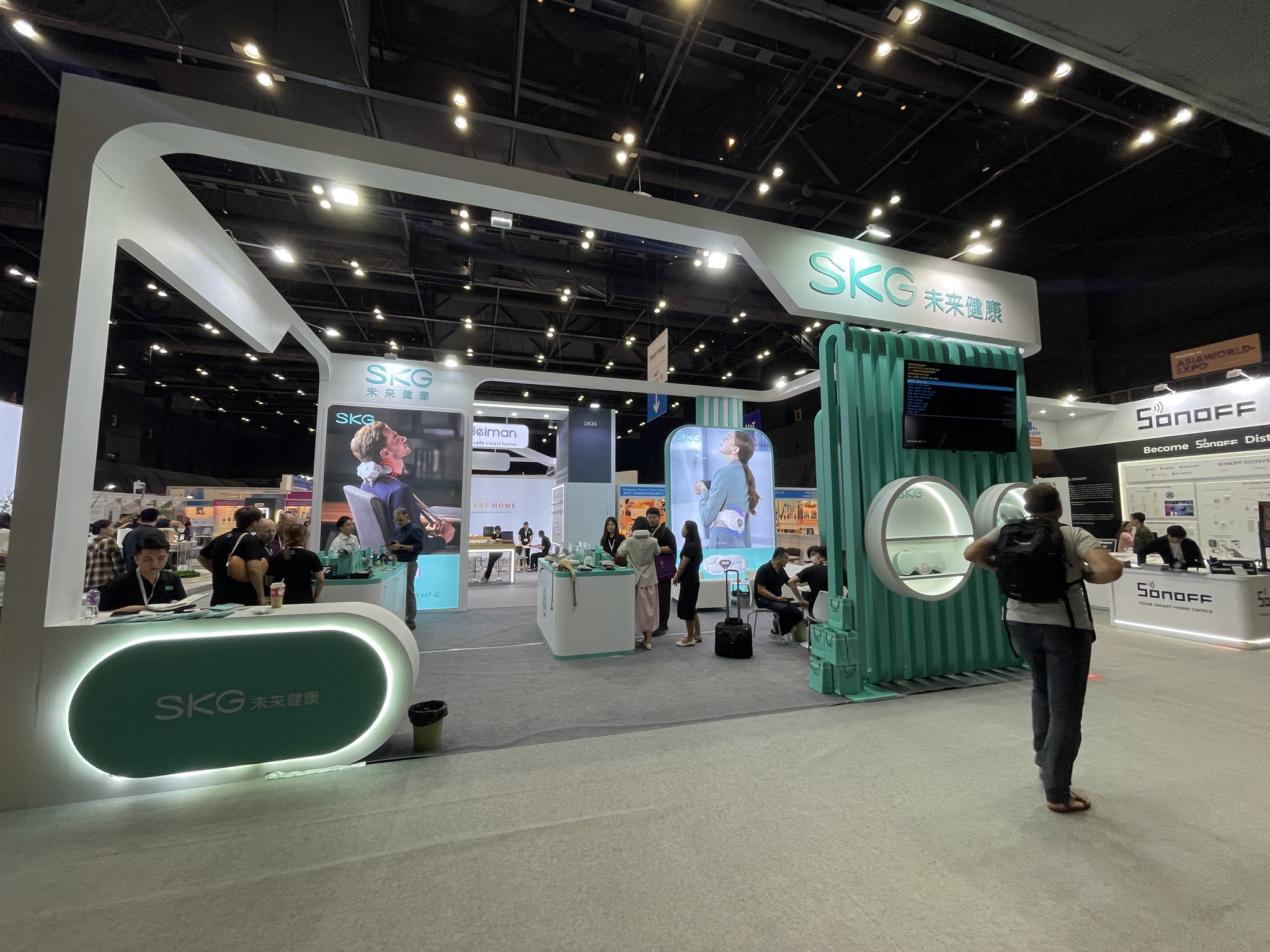
In the realm of exhibition booth planning, the selection of appropriate graphics and branding holds paramount importance. Achieving brand consistency across all visual elements is key to establishing a strong and memorable presence at the event. Consistency in colors, fonts, and overall design aesthetic helps in reinforcing brand recognition and creating a cohesive look that resonates with visitors.
When choosing graphics for your exhibition booth, opt for high-quality images and visuals that have a strong visual impact. Eye-catching graphics can attract attendees from a distance and draw them towards your booth. Consider using bold visuals that effectively communicate your brand message and offerings.
Furthermore, integrating your branding elements such as logos, slogans, and brand messaging seamlessly into the booth design is crucial for reinforcing brand identity. Ensure that all branding elements are prominently displayed and easily visible to visitors.
Implementing an Effective Marketing Strategy
Building upon the foundation of selecting the right graphics and branding, a crucial aspect of planning a successful exhibition booth involves implementing an effective marketing strategy. Utilizing social media platforms can significantly increase your booth’s visibility before, during, and after the event. Create engaging posts that showcase sneak peeks of what attendees can expect, run contests to generate buzz, and leverage event hashtags to reach a broader audience.
Moreover, email campaigns can be a powerful tool to communicate directly with potential visitors. Send personalized invitations, exclusive offers, or reminders about your booth location and activities. Make sure your emails are concise, visually appealing, and include clear calls to action to encourage recipients to visit your booth.
Conclusion
In conclusion, planning a successful exhibition booth requires setting clear objectives. Understanding the target audience is crucial. Designing an engaging layout is essential, as is selecting appropriate graphics and branding. Implementing an effective marketing strategy is also key. By following these steps, exhibitors can create a booth that attracts and engages attendees, ultimately leading to a successful exhibition experience.